
By Kevin Jones
A few years ago, I resolved to always include something in my holiday shopping list that would help my family lead a healthy lifestyle. Last year, I bought a Bosch mixerto make healthy home cooking more convenient. This year, I’m buying the blender attachment so we can all drink green smoothies to get more veggies in our diets!
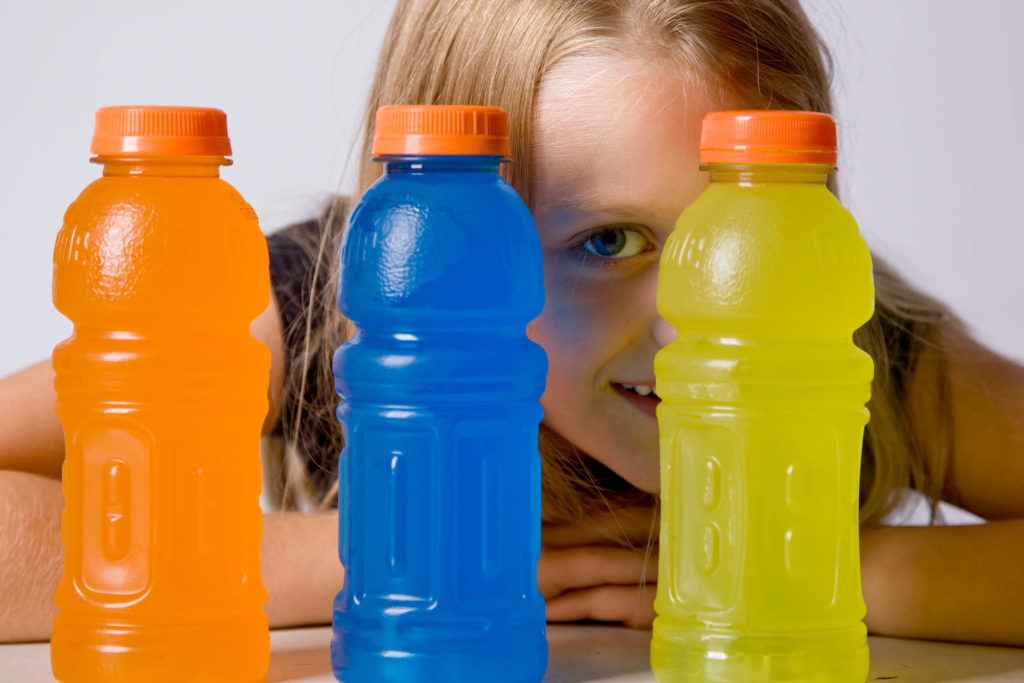
I did this because I noticed an alarming spike in the number of kids who drink beverages other than water these days like energy drinks, soda, juice, and more. One popular culprit seems to be sports drinks. Go to the grocery store and you’ll notice a wide array of fluorescent-colored sports drinks competing for space with soda and other carbonated drinks. But are they a decent substitute for water.
Nutritional Content
A typical sports drink contains water, carbohydrates (as sugars), and electrolytes (primarily potassium and sodium), although the contents might vary with individual brands. The carbohydrates found in popular sports drinks also vary and may include sucrose, fructose, cane juice, sucrose syrup, high fructose corn syrup, or brown rice syrup.
These beverages are recommended for athletes or individuals who are engaged in intense exercise or physical activity that lasts for more than an hour. This makes sense because performing an intense physical activity for a long duration stimulates the muscles to break down their stores of carbohydrates and fat. Sports drinks are therefore formulated to replenish lost fluids and electrolytes while providing extra fuel via carbohydrates and sugar to keep athletes performing at their optimal pace.
However, research shows that nowadays, children and teens are increasingly drinking sports drinks despite the fact that the majority of them don’t exercise intensely enough to require them. Parents, on the other hand, are often confused by the nutrition labels since sports drinks are marketed as healthy alternatives to soda.
Health Impact On Children
 The truth is that most sports drinks provide large amounts of unnecessary sodium and which is detrimental to children’s health. For instance, full-calorie sports drinks have 3-5 teaspoons of sugar per 8-ounce serving, and 32-ounce bottles might contain as much as 14 teaspoons of sugar- way more than the recommended daily amount for kids! Children and adolescents really don’t need these extra calories, and it’s no surprise that the consumption of sports drinks has been linked to increased incidences of childhood obesity.
In addition, dentists have expressed concern that consumption of sports drinks may increase the risk of poor dental health in kids. This is due to the fact that most of these beverages contain citric acid which contributes to enamel erosion, predisposing children to cavities and tooth decay.
Personally, I adhere to the recommendations given by the American Academy of Pediatrics and have my children drink water instead of sports drinks before, during or after exercise. I also intend to introduce them to smoothies and fresh fruit juices as healthy, nutritious alternatives to carbonated, sugary drinks.
ABOUT THE AUTHOR:
Kevin Jones is a health and fitness blogger and a regular contributor to a number of fitness websites. He writes for NordicTrack. During his free time, he likes to be very active and spend time with his wife and two children shredding the slopes of Park City, Utah, or chasing down the Salt Lake City Korean food trucks. Connect with him online: LinkedIn– Twitter
YOU MAY ALSO LIKE:

HEALTHY RELATIONSHIPS: WHAT’S LOVE GOT TO DO WITH IT?
By Elizabeth Reninger Healthy relationships are an important component of a balanced, nourishing, and overall healthy lifestyle. So what makes a…
SIMPLE YET DELICIOUS GREEN CABBAGE SALAD
We love cabbage at Project Wellness Now, so here is another great recipe! This green cabbage salad is very simple but…

SUPERFOOD COFFEE SUBSTITUTES: STAY AWAKE & ALERT WITH THESE HEALTHY DRINKS
If you love the pick-me-up quality of a cup of coffee—but could do without its jittery spike-and-crash effects—then you might want…
THERE IS A 100% TOXIN-FREE WAY TO DYE YOUR HAIR
Much to their collective horror, women are learning about the dangers of toxins in their beauty supplies. Thanks to organizations like the…
RAW CHOCOLATE ORANGE PUDDING
This recipe is for all the fellow chocoholics out there! INGREDIENTS: 1 medium-sized ripe avocado 1/4 cup almond/hazelnut milk 2 Tbs…

ARE YOU STRESSED OUT?
Are you feeling stressed out? Increase the feelings of harmony between your mind and body by adding yoga to your daily…