
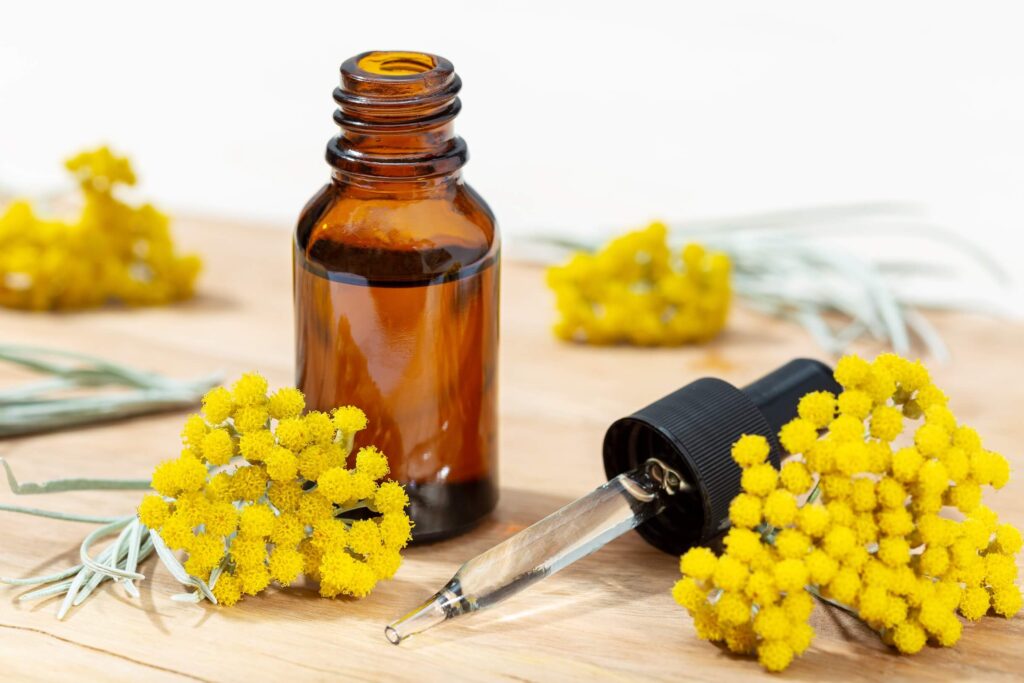
In the realm of natural health and wellness, essential oils hold a revered place for their vast benefits and therapeutic properties. Among these, Helichrysum essential oil stands out as a particularly potent and versatile elixir. Derived from the golden blossoms of the Helichrysum Italicum plant, this essential oil is often referred to as “Immortelle” or “Everlasting” due to its long-lasting, vibrant flowers and remarkable healing properties. The unique composition of this essential oil, rich in antioxidants, anti-inflammatory compounds, and regenerative agents, makes it a valuable addition to your natural remedies cabinet.
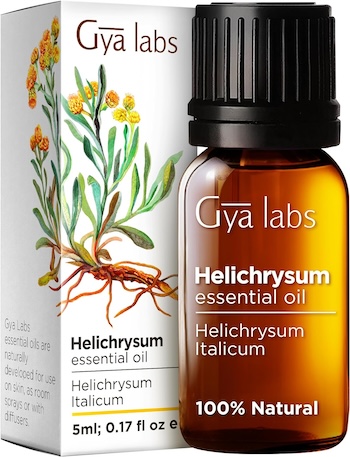
The origins of this amazing essential oil trace back to the sun-drenched fields of the Mediterranean, where the plant thrives in rocky, arid soils. For centuries, traditional medicine practices across Southern Europe have harnessed the power of Helichrysum for its wide-ranging therapeutic effects. Today, modern scientific research has begun to validate these traditional uses, revealing a spectrum of benefits that include skin rejuvenation, pain relief, and emotional balance.


YOU MAY ALSO LIKE:

5 FASCINATING HEALTH TRENDS OF 2020 & PREDICTIONS FOR 2021
By Tess DiNapoli This year, more people are focusing on their health and wellness than ever, and there are some exciting new…

20 SCIENCE-BACKED HEALTH BENEFITS OF POMEGRANATE
Few fruits have captured the attention of both ancient healers and modern scientists quite like the vibrant, ruby-red pomegranate. Known botanically…

MAY A BANANA A DAY KEEP THE DOCTOR AWAY?
Archeological evidence proves that bananas were cultivated as early as 8000 B.C. in New Guinea. Nowadays, they are one of the…

MINDSET…
By Yvonne Chamberlain A way of thinking, a belief structure, mental programming, perspective, an attitude, an imagination, fixed belief, an ideology,…

RAW AVOCADO KEY LIME PIE
Are you vegan? Do you love key lime pie? Then this is the post for you! Yeah, you heard that right,…

WHAT ARE THE HEALTH BENEFITS OF SWEET POTATOES?
TOP 10 SWEET POTATOES HEALTH BENEFITS VERIFIED BY SCIENCE 1. Improving insulin sensitivity in diabetes: Type 2 diabetes sufferers may have…